FOR WORKSHOPS AND STAFF CAPACITY BUILDING
- Teacher: System Administrator
- Teacher: Patrick Bwembya
FOR WORKSHOPS AND STAFF CAPACITY BUILDING
FOR WORKSHOPS AND STAFF CAPACITY BUILDING
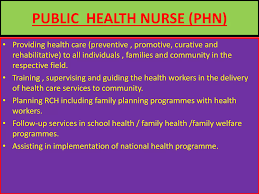
Public Health Nursing 1 is an introductory, specialized area of nursing focusing on promoting and protecting the health of entire populations, rather than individual patients. It emphasizes disease prevention, health education, and improving community well-being, particularly for vulnerable groups
Health Fundamentals of Nursing 1 is an introductory course that establishes the foundational principles, skills, and knowledge required for professional nursing practice
Nursing communication is the vital exchange of information, thoughts, and feelings between nurses, patients, and the healthcare team using verbal, nonverbal, and written methods, aiming to build trust, provide holistic care, educate, and coordinate effective treatment for better patient outcomes.
Microbiology in nursing is the application of knowledge about microscopic organisms (bacteria, viruses, fungi, etc.) to prevent, identify, and treat infections, ensuring patient safety by guiding infection control, proper specimen collection, sterile techniques, understanding antibiotics, and educating patients on hygiene to control the spread of disease in healthcare settings
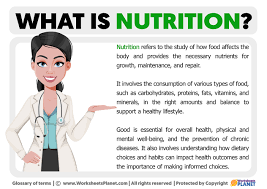
Nutrition in nursing is the essential role nurses play in assessing, educating, and intervening with patients on diet and food intake to promote health, manage illness (like diabetes, heart disease), aid recovery, prevent complications, and support overall well-being across the lifespan, recognizing that nutrients provide energy, build tissues, and enable body functions, all influenced by factors like culture and economics.
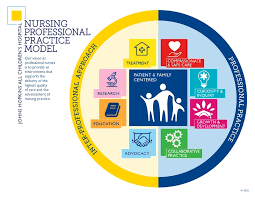
Professional practice in nursing is a comprehensive framework encompassing ethical conduct, specialized knowledge, lifelong learning, and collaborative action to deliver high-quality, patient-centered care, guided by standards, regulations, and a commitment to professional growth and patient advocacy
Psychology in nursing applies the study of human behavior and mental processes to healthcare, enabling nurses to understand patients' emotions, fears, and responses to illness, leading to better communication, empathy, and holistic, patient-centered care that addresses both physical and psychological needs for improved outcomes. It helps nurses manage stress, educate patients, improve adherence to treatment, and build stronger therapeutic relationships.
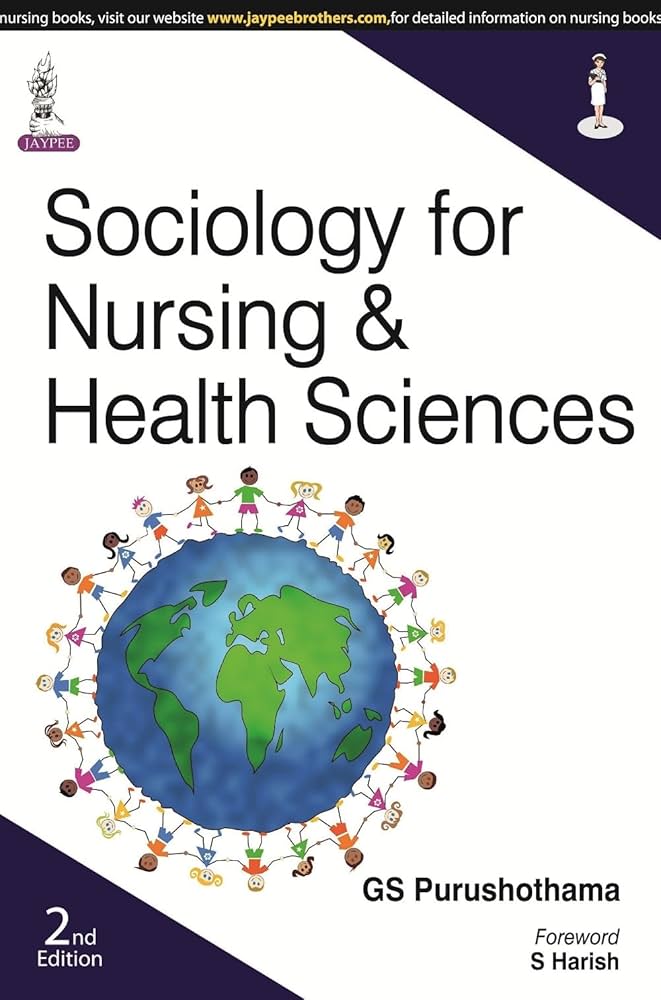
Sociology in nursing is the study of how social factors—like culture, family, economics, and behaviors—shape health, illness, and healthcare delivery, helping nurses understand patients beyond biology, provide culturally sensitive care, address health disparities (Social Determinants of Health), and improve patient-provider interactions for more effective, holistic treatment. It equips nurses to see health as a social issue, not just a biological one, making them better advocates and agents of change.
Medical-Surgical Nursing 1 is a foundational nursing course (often called the "boot camp" of nursing) that prepares students to provide holistic care for adult patients with acute or chronic health alterations and those undergoing surgical procedures. It focuses on essential nursing skills, patient safety, medication management, and, commonly, care for the elderly.
Public Health Nursing 2 focuses on applying specialized nursing, social, and public health sciences to promote and protect the health of entire populations. It emphasizes advanced community assessment, epidemiological data analysis, intervention planning, policy development, and, in many cases, clinical management.
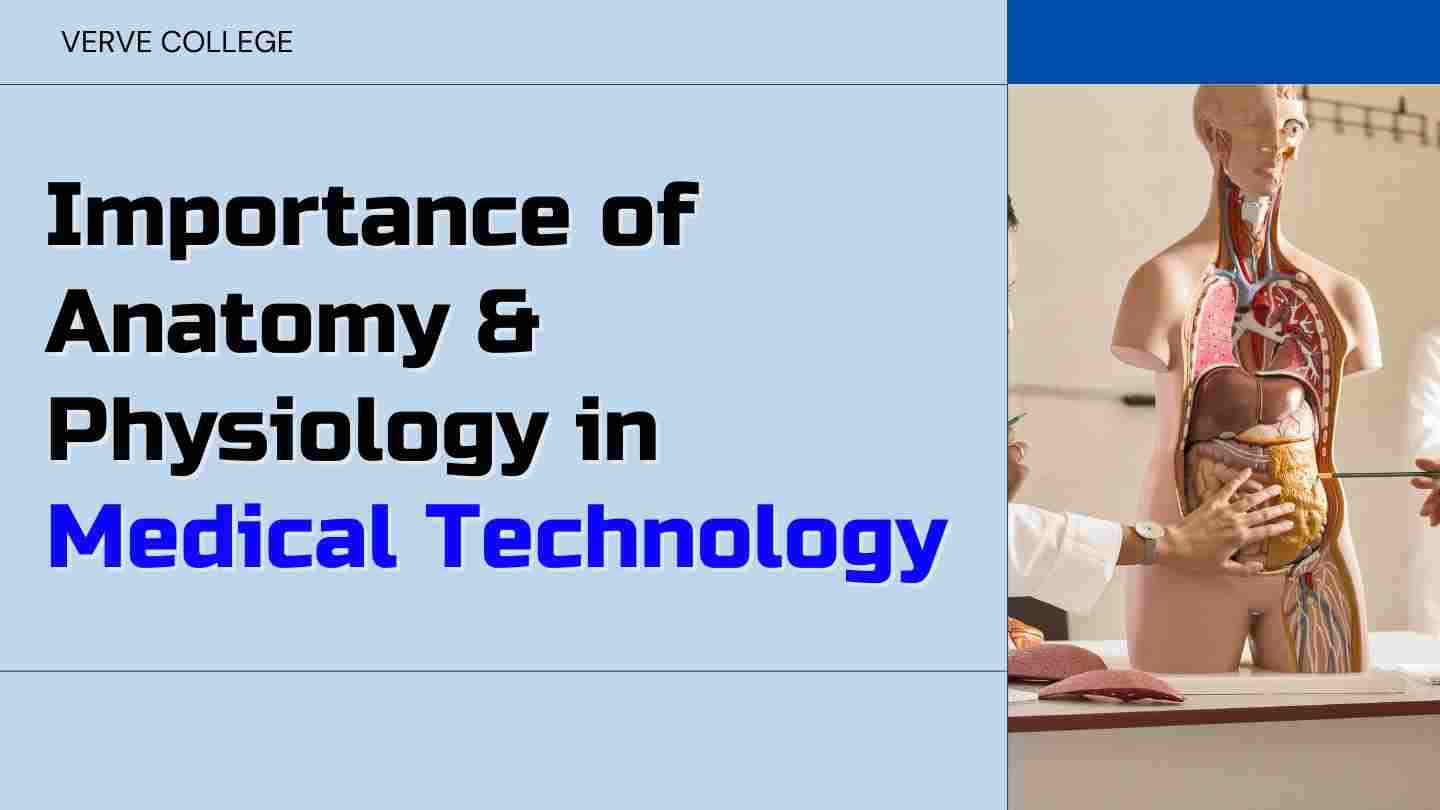
Anatomy and physiology are the complementary, foundational branches of biology that study the human body: Anatomy focuses on the structure, shape, and physical relationships of body parts, while physiology examines how those parts function to sustain life. Together, they explain the relationship between structure and function, highlighting how the body's design (e.g., heart valves) enables its operations (e.g., pumping blood
Fundamentals of Nursing II is a critical second-semester course building upon initial skills to develop clinical competence, focusing on complex nursing care, the nursing process (assessment, diagnosis, planning, implementation, evaluation), and patient-centered care.

Introduction to Research in Nursing is a systematic, scientific inquiry designed to develop, refine, and expand the specialized body of knowledge necessary for evidence-based nursing practice, education, and administration. It focuses on improving patient outcomes, validating nursing actions, and finding solutions to clinical problems.

Pediatric and Child Health Nursing 1 is an introductory course focusing on the specialized care of infants, children, and adolescents, spanning from birth through adolescence. It emphasizes health promotion, disease prevention, growth and development, and family-centered care to meet the physical and emotional needs of young patients

Psychiatric and Mental Health Nursing 1 is an introductory specialized field focusing on the assessment, diagnosis, treatment, and care of individuals experiencing mental health disorders or emotional distress. It emphasizes holistic, patient-centered care, promoting mental health through therapeutic communication, medication management, and supportive, compassionate nursing interventions across the lifespan.
Pharmacology 2 for nursing is an advanced, second-level course building on foundational knowledge to focus on the clinical application, safe administration, and therapeutic monitoring of complex drug classifications. It covers specialized systems (cardiovascular, respiratory, endocrine, nervous) and emphasizes patient education, adverse effects, and drug interactions to ensure safe, evidence-based care.
Integrated Reproductive Health (IRH) 1 represents a "one-stop" primary healthcare approach that combines comprehensive sexual and reproductive health services—such as contraception, antenatal care, safe delivery, STI/HIV management, and cancer screening—into a single, accessible location, often delivered by the same staff to improve efficiency and service uptake
Medical-Surgical Nursing II is an advanced nursing course that builds upon foundational knowledge to manage complex, multi-system, and chronic disorders in adult patients. It focuses on specialized care for conditions affecting the renal, endocrine, neurological, immune, and oncological systems, emphasizing critical thinking, advanced assessment, and evidence-based interventions.