To equip students with knowledge and skills to enable them understand human behaviour and manage clients with mental disorders.
- lecturer: System Administrator
- Lecturer: System Administrator
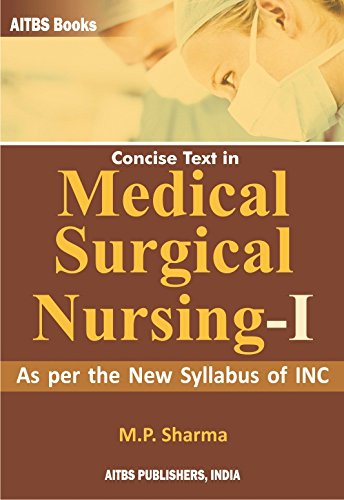
Medical-Surgical Nursing 1 is a foundational nursing course (often called the "boot camp" of nursing) that prepares students to provide holistic care for adult patients with acute or chronic health alterations and those undergoing surgical procedures. It focuses on essential nursing skills, patient safety, medication management, and, commonly, care for the elderly.
- Leturer: System Administrator
Public Health Nursing 2 focuses on applying specialized nursing, social, and public health sciences to promote and protect the health of entire populations. It emphasizes advanced community assessment, epidemiological data analysis, intervention planning, policy development, and, in many cases, clinical management.
- Lecturer: System Administrator
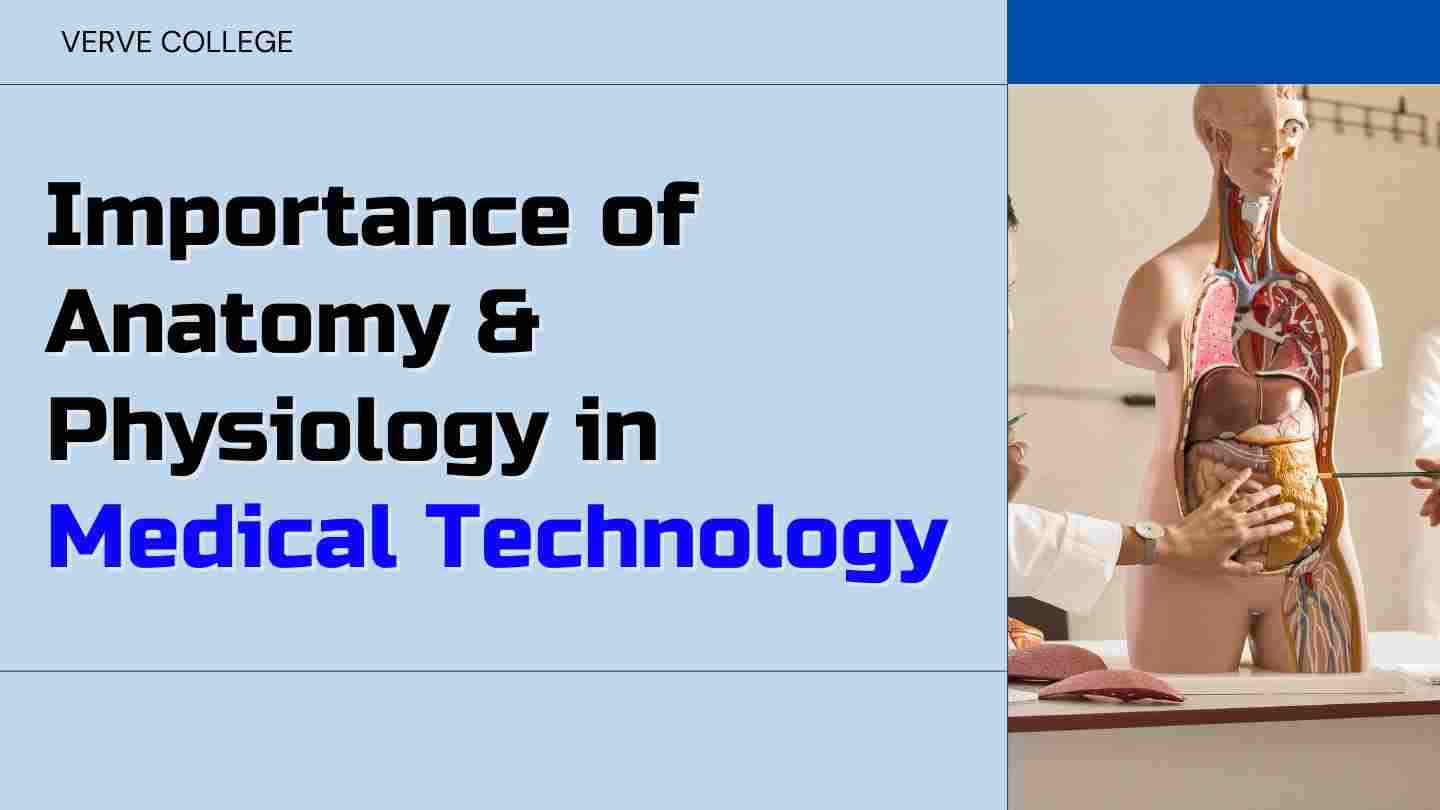
Anatomy and physiology are the complementary, foundational branches of biology that study the human body: Anatomy focuses on the structure, shape, and physical relationships of body parts, while physiology examines how those parts function to sustain life. Together, they explain the relationship between structure and function, highlighting how the body's design (e.g., heart valves) enables its operations (e.g., pumping blood
- Lecturer: System Administrator
Fundamentals of Nursing II is a critical second-semester course building upon initial skills to develop clinical competence, focusing on complex nursing care, the nursing process (assessment, diagnosis, planning, implementation, evaluation), and patient-centered care.
- Lecturer: System Administrator